 Economic DevelopmentComplete observatory ↗
CAMPO VERDE • MATO GROSSOIndustrialization
Industrialization
in Focus
Where proximity to raw materials becomes more than an agricultural advantage — it becomes a platform for new industrial investment.
FROM AGRICULTURAL SCALE TO INDUSTRIAL SCALEValue already flows through Campo Verde.
Value already flows through Campo Verde.
The next step is to retain more of it locally.
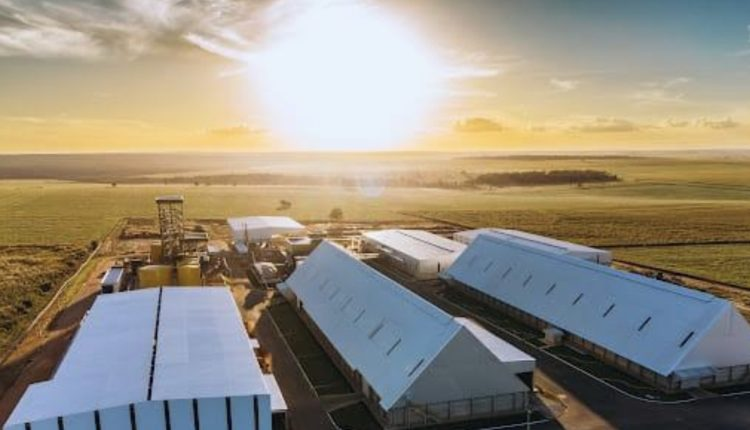
Campo Verde combines complementary raw materials, an established business base, strategic logistics and room to convert primary production into higher-value products.
Origin as an advantage
Locating industry close to raw materials reduces distance, cycle time, inventory and logistics exposure.
Interconnected value chains
Oils, meals, DDG, feed and energy connect grains, bioenergy and animal protein.
Value retained locally
Each new link expands jobs, public revenue, specialized services, innovation and business capabilities.
Phased investment
Projects can advance in phases according to sourcing, markets, infrastructure, partners and capital.
OPPORTUNITY PORTFOLIO
Five pathways to a more industrial economy
Each card represents an investment thesis. Implementation depends on feasibility, scale, market conditions, permitting and the investor’s decision.
 01
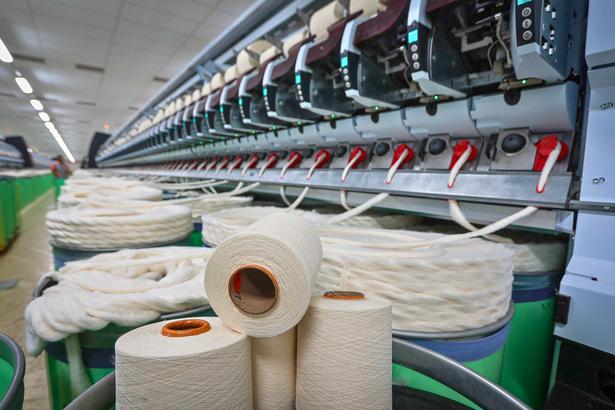
01COTTON
Integrated textile value chain
The fiber is already produced here. The next step is to expand industrial links close to its origin.
Cotton lint → spinning → weaving → finishing → apparelYarnFabricsKnitsApparel manufacturingTechnical textiles
 02
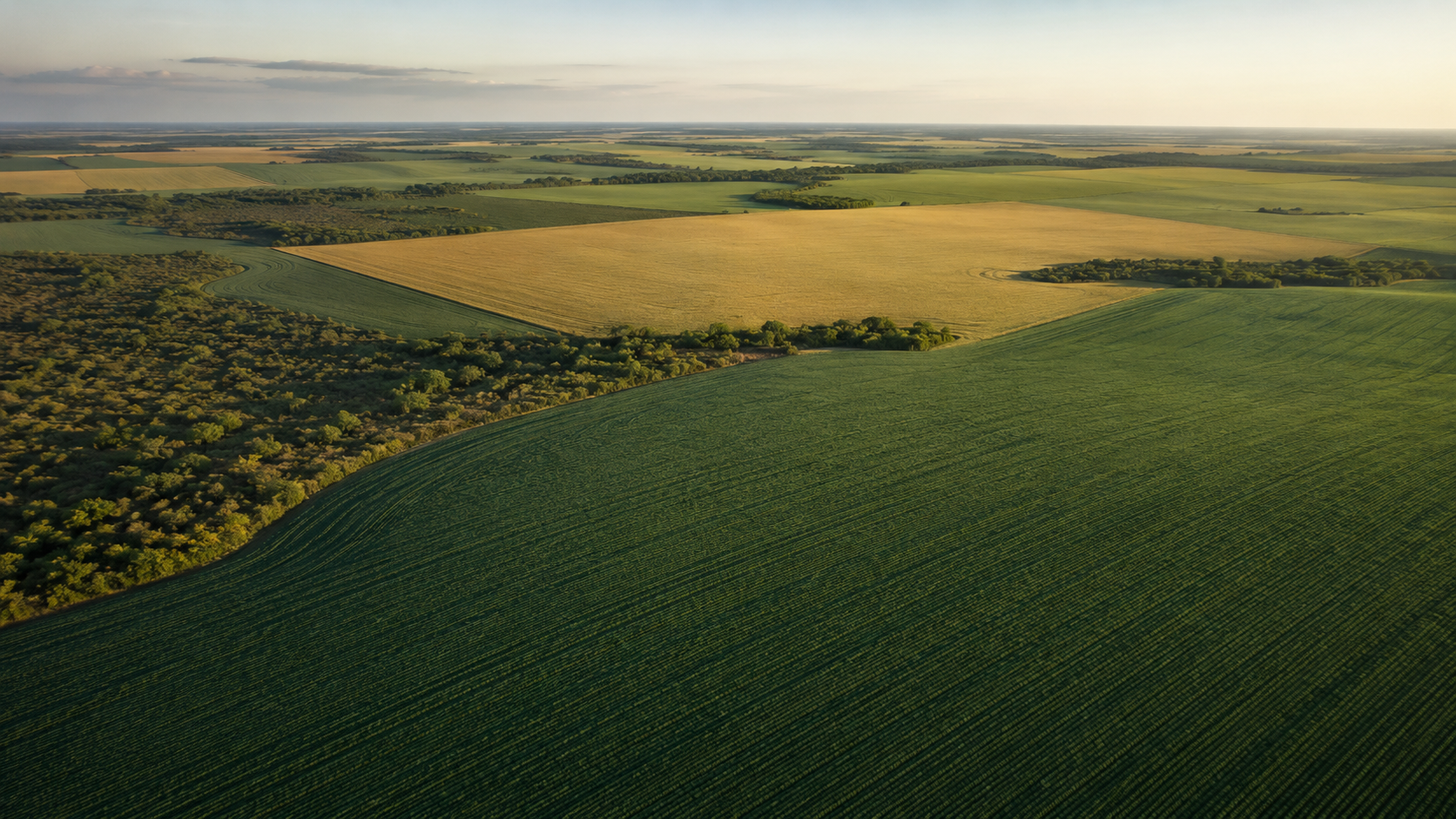
02CORN
Corn ethanol and co-products
Regional corn scale supports an industrial platform connected to energy and animal nutrition.
Corn → ethanol → DDG → corn oil → bioenergyEthanolDDGCorn oilBiogenic CO₂Energy
 03
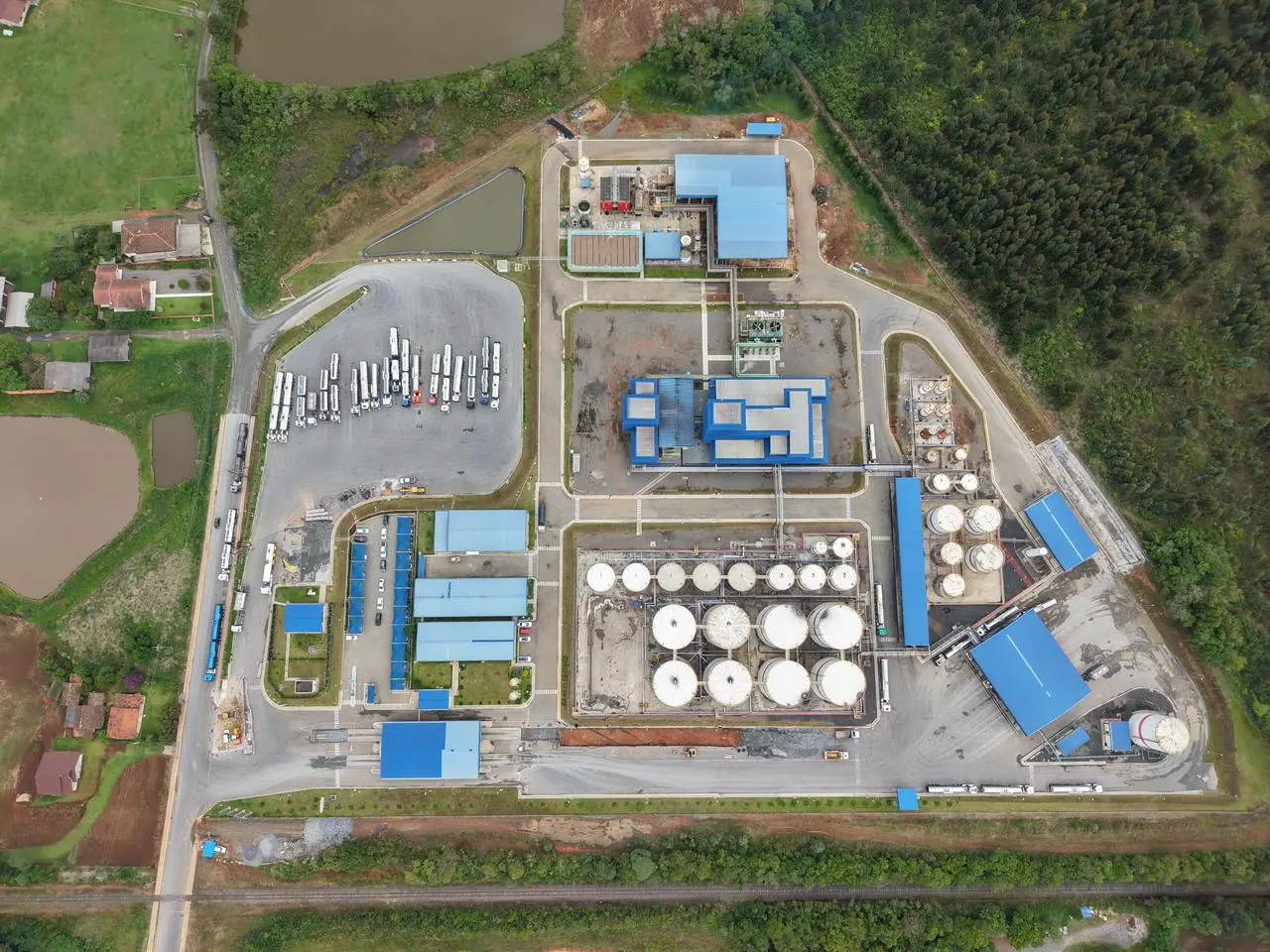
03SOYBEANS
Soybean crushing
Processing grain close to the farm converts agricultural scale into inputs for food, feed and bioenergy.
Soybeans → oil → meal → protein → biodieselCrude oilMealProteinLecithinBiodiesel
 04
04COTTONSEED
Crushing and refining
This ginning co-product can supply new industries and retain more value within the region.
Cottonseed → oil → meal → linters → industrial usesOilMealLintersHullsEnergy
 05
05ANIMAL PROTEIN
Poultry and processing
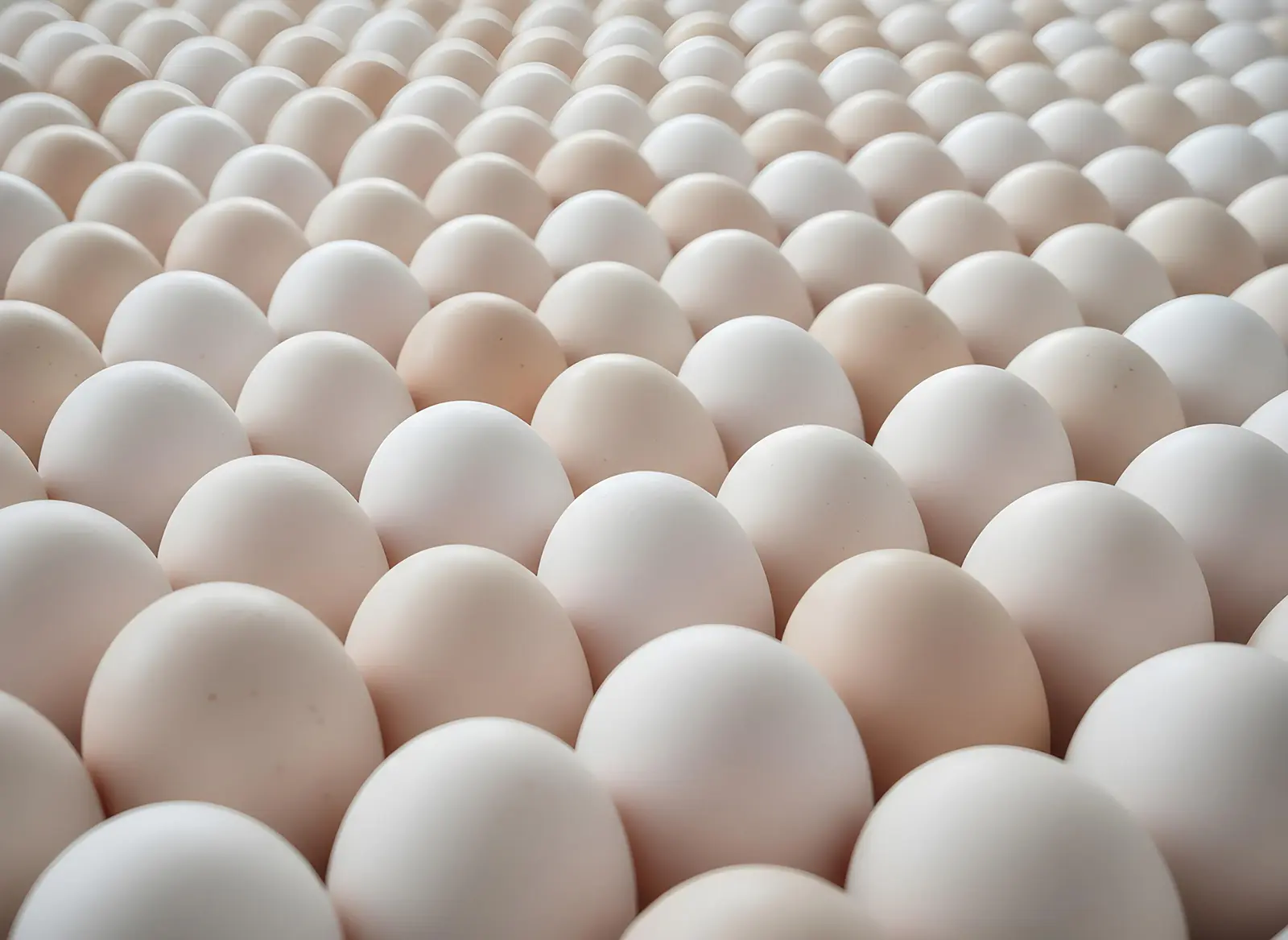
Corn, meal and poultry production create the foundation for integrated feed, farming, slaughter and processing.
Grains → feed → poultry → processing plant → processed foodsFeedPoultryCutsProcessed foodsCo-products
SYNERGIES ACROSS VALUE CHAINSNot five isolated projects.
Not five isolated projects.
One connected industrial platform.
The strength of industrialization lies in the connections: one chain’s output can become another chain’s input, market or shared infrastructure.
Explore the established business base →Corn ethanol→Animal protein
DDG and corn oil expand input availability and connect bioenergy with animal nutrition.
Soybean crushing→Poultry farming
Meal and plant protein bring key inputs closer to feed mills and production clusters.
Cottonseed→Bioenergy
Oil and co-products can supply industrial markets already present in the local ecosystem.
Textile hub→Services and logistics
New links increase demand for maintenance, skills, warehousing, technology and distribution.
FROM INSIGHT TO IMPLEMENTATION
An industrial thesis needs a clear path to implementation.
City Hall serves as a single point of contact, organizing the first conversation and coordinating the project’s institutional pathway.
Fit with the production base, market, sites and infrastructure.
Growers, anchor companies, buyers, state agencies and strategic partners.
CAPEX, sourcing, logistics, energy, permitting, jobs and schedule.
Institutional procedures, applicable incentives and project follow-up.
CAMPO VERDE IN MOTION
Videos presenting the region, value chains and opportunities
Reserved spaces for institutional videos, ready to publish without changing the page structure.
Reserved for institutional media
Reserved for institutional media
Reserved for institutional media
INSTITUTIONAL PRESENTATION
An integrated view of new investment opportunities
The presentation brings together the regional thesis, raw-material scale, five priority value chains, their synergies and the pathway for submitting projects.
- Location benchmark based on proximity to raw materials
- Industrialization theses organized by value chain
- Connections among co-products, markets and anchor companies
- Campo Verde’s institutional investor journey
Which value chain could your company
help transform?
Bring us your investment thesis. The Municipal Department of Economic Development connects data, sites, partners and institutional pathways.